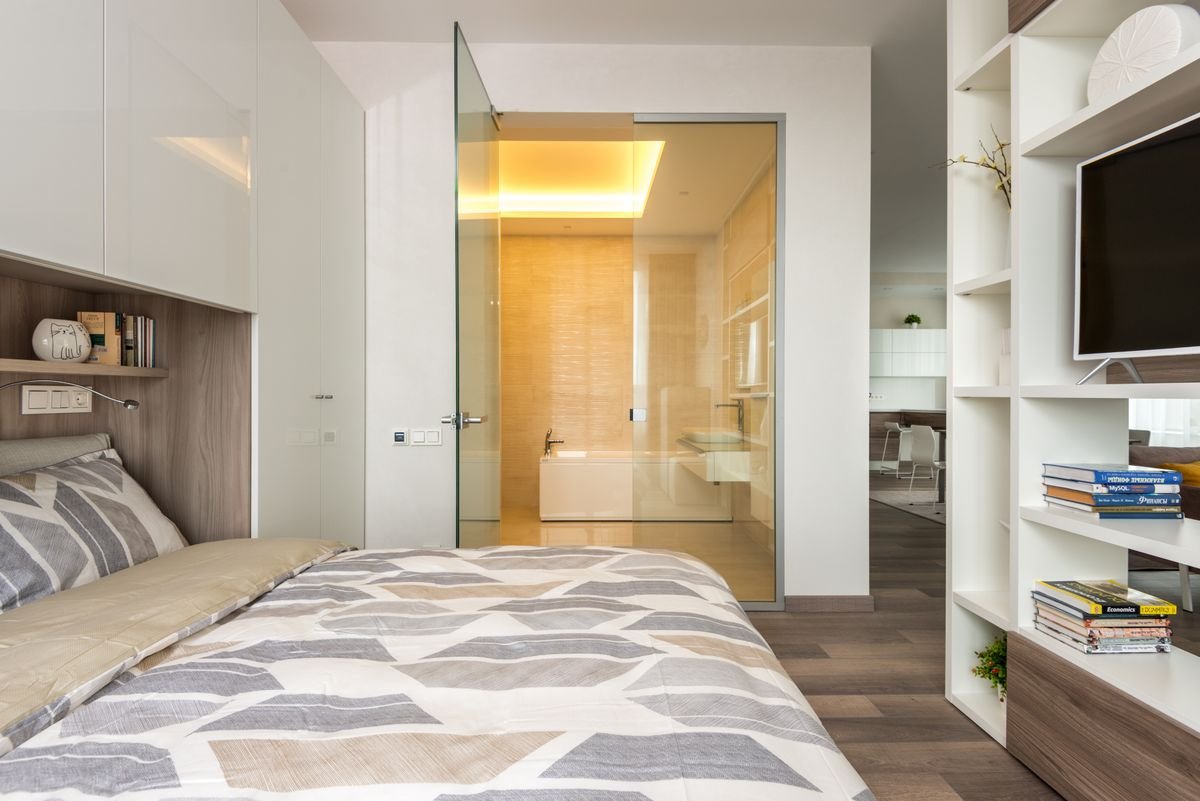
Best Mattress Deals for Couples in 2026: What to Look For and Top Picks

Best Mattress Deals for Couples in 2026: What to Look For and Top Picks

Choosing a mattress for two people is more complex than choosing for one. Partners frequently have different body weights, sleep positions, temperature preferences, and firmness preferences. A mattress that works perfectly for one partner may be incompatible with the other. This guide explains the specifications that matter most for couples and identifies the best current deals on mattresses that effectively address shared sleep challenges.

Motion Isolation: The Most Important Spec for Couples

Motion isolation measures how effectively a mattress prevents movement on one side from disturbing the other sleeper. It is the single most critical specification for couples who have different sleep schedules, move frequently during the night, or are light sleepers easily disrupted by partner movement.

All-foam and pocketed coil mattresses provide the best motion isolation. Dense memory foam absorbs movement almost completely, while individually wrapped coils respond independently to movement rather than transferring it across the sleep surface. Traditional Bonnell and offset coil systems transfer motion most readily and should be avoided by couples with motion sensitivity concerns. Ask specifically whether a mattress uses pocketed coils if motion isolation is a priority.

Edge Support for Couples

Edge support matters more for two sleepers than one because both partners tend to use the full width of the mattress, sleeping closer to their respective edges. Weak edge support creates a rolling-off sensation near the perimeter and reduces the functional sleep surface — effectively making the mattress narrower than its stated dimensions. Mattresses with reinforced perimeter coils or high-density foam edges maintain a usable sleep surface to within a few inches of the physical edge.

Edge support is particularly important when sleeping or sitting near the perimeter of the mattress in activities beyond just sleeping — reading, watching television, or dressing. A mattress with poor edge support compresses dramatically under seated weight at the perimeter, which wears out the edge faster and creates an unstable surface for non-sleep activities.

Temperature Regulation for Two Sleepers

Two body heat sources in close proximity generate significantly more sleep-surface heat than a single sleeper, amplifying the importance of temperature regulation. Couples who sleep hot should prioritize mattresses with genuine cooling features rather than accepting standard memory foam options that perform adequately for solo sleepers but become uncomfortably warm under dual occupancy.

Copper-infused foam, open-cell foam construction, latex comfort layers, and hybrid coil airflow all provide meaningfully better temperature regulation than standard viscoelastic memory foam. For couples where one or both partners sleep hot, these features should be treated as essential specifications rather than optional upgrades. The Nectar Premier Copper, Bear Elite Hybrid, and Purple hybrid options all address temperature regulation more effectively than standard foam alternatives at comparable price points.

Split Firmness Options

When partners have fundamentally different firmness preferences, split firmness mattresses provide a solution that single-firmness options cannot. Sleep Number’s adjustable firmness system allows each partner to set their side independently from 1 to 100 on a proprietary scale. While Sleep Number’s pricing is at the premium end of the market, the flexibility genuinely solves incompatibility issues that would otherwise require compromise on both sides.

Several brands offer split comfort options where each side of the mattress uses different foam layers or firmness levels without the mechanical adjustment system. Layla’s flippable design provides soft on one side and firm on the other for the full mattress, while some custom brands allow specifying different firmness levels for each half of a king or California king during manufacturing.

Top Mattress Picks for Couples on Sale

Saatva Classic in medium-firm delivers strong edge support through its perimeter coil system, good motion isolation from the pocketed coil layer, and a neutral firmness that suits the broadest range of couple configurations. During promotions with white-glove delivery included, it represents excellent total value for couples who want a traditional feel with modern construction benefits.

Nectar Premier Copper addresses motion isolation and temperature regulation simultaneously — the two most commonly cited couple sleep concerns. The pocketed coil layer isolates movement effectively while copper-infused foam dissipates body heat. The 365-night trial gives both partners sufficient time to evaluate compatibility. During sale events with accessories included, the total package value is among the strongest in the mid-range for couple-focused purchasing.

Purple Hybrid Premier provides the unique grid technology that excels at temperature regulation combined with a pocketed coil layer for bounce and edge support. The grid’s pressure-relief properties benefit side sleepers specifically, and the neutral temperature performance addresses hot sleeping for both partners simultaneously. For couples with divergent temperature preferences — one cold sleeper, one hot sleeper — the Purple grid system tends to satisfy both because it actively manages rather than simply not-trapping heat.

How to Shop Smarter During Mattress Sales

Mattress sales happen year-round, but knowing which promotions are genuinely worthwhile requires a bit of homework. The most important thing to understand is that not every “sale” represents real savings. Some retailers inflate their regular prices to create the appearance of a dramatic discount—a mattress marked down from $1,800 to $900 may have never actually sold at full price. Before committing to any purchase, research the mattress’s typical selling price across multiple retailers so you have a reliable baseline.

One effective strategy is to track prices over time using browser extensions like Honey or CamelCamelCamel (for Amazon purchases), which show historical pricing data. For mattresses sold exclusively through brand websites, check deal-tracking communities on Reddit or sign up for the brand’s email list to receive early sale notifications. Many brands send their steepest discounts to email subscribers before advertising them publicly.

Comparison shopping is easier than ever with online mattress retailers, since prices are publicly listed and transparent. Build a short list of two or three mattresses that meet your requirements, then set a price alert or check back during major holiday sale windows. The biggest sale events—Presidents’ Day in February, Memorial Day in late May, Labor Day in early September, and Black Friday in November—consistently produce the deepest discounts in the mattress category, often 30–50% off regular prices.

When you find a deal you’re ready to act on, read the fine print before checking out. Confirm what’s included in the sale price: does it include a foundation or box spring, free delivery, mattress removal, or a trial period? These components add real value and affect the true cost comparison between options. A mattress priced $200 less than a competitor may actually cost more once you add delivery fees and a separately purchased foundation.

Don’t be afraid to negotiate at physical mattress stores. Unlike online retailers with fixed prices, brick-and-mortar stores often have flexibility, especially on floor models or end-of-season inventory. Asking for the floor model price, requesting free delivery, or asking them to match a competitor’s advertised price are all reasonable requests that frequently succeed. The worst outcome is they say no, and you’ve lost nothing by asking.

Clearance mattress retailers offer a different kind of value proposition. Rather than waiting for seasonal sales on new inventory, clearance stores specialize in discontinued models, overstock, and returned merchandise. These mattresses often carry the same quality and warranty as current-model mattresses but are priced to move quickly. Checking clearance options before the major sale windows can sometimes yield better prices than waiting for the annual holiday event.

Mattress Firmness, Sleep Positions, and What Works Best

One of the most common reasons people are disappointed with a new mattress—even one that received great reviews—is choosing the wrong firmness level for their sleep position. Mattress firmness is typically described on a scale from 1 (extremely soft) to 10 (extremely firm), with most sleepers falling comfortably somewhere between 4 and 8. Understanding how your preferred sleep position interacts with firmness helps you narrow down your options before you ever step into a store or browse a website.

Side sleepers generally need a softer surface—somewhere in the 4–6 range—to allow the shoulder and hip to sink in and maintain a neutral spine. Without adequate contouring, side sleepers often wake with shoulder pain or numbness in the arm they’re lying on. Memory foam and softer hybrid mattresses tend to work well for this group. If you’re a side sleeper with broader shoulders, lean toward the softer end of the range.

Back sleepers typically do best on medium to medium-firm mattresses, roughly 5–7 on the firmness scale. The goal is to keep the lumbar spine supported without pushing it upward into an unnatural arch. A mattress that’s too soft allows the hips to sink too far, creating a hammock effect that strains the lower back over time. Back sleepers who have existing lower back issues often find that a medium-firm mattress with a slight lumbar support zone provides the most relief.

Stomach sleepers need the firmest support of all positions—typically 6–8. Lying face down puts the lumbar spine into extension, and a soft mattress exaggerates this by allowing the hips to sink further, increasing spinal strain. Stomach sleepers should avoid memory foam and pillow-top surfaces, which will contour around the body in ways that worsen the problem. A firm innerspring or firm hybrid provides the flat, stable surface stomach sleepers need.

Combination sleepers—those who shift between positions throughout the night—benefit from a medium firmness (5–6) that accommodates multiple positions reasonably well without excelling at any single one. Responsive materials like latex and pocketed coil hybrids work particularly well for combination sleepers because they adapt quickly to position changes without the “sinking in” sensation of deep memory foam that can feel restrictive when rolling over.

Body weight also interacts significantly with firmness perception. Lighter sleepers (under 130 lbs) don’t compress mattress materials as deeply, so they often need to size down by a firmness level—what feels like a “medium” to an average-weight sleeper may feel like a “firm” to a lighter person. Heavier sleepers (over 230 lbs) compress more deeply into the same surface, so they typically need to size up. A mattress rated “medium” may perform more like a “soft” for someone who weighs 250 lbs, making a medium-firm the better starting point.

Protecting Your Mattress Investment

A quality mattress is a significant purchase, and the right maintenance habits can extend its useful life by years. The single most effective thing you can do is use a waterproof mattress protector from day one. Protectors guard against spills, sweat, and allergens—and critically, most mattress warranties are voided by any staining. A $40 protector can preserve a $1,000 warranty for a decade.

Rotate your mattress every three to six months. Unless the manufacturer specifies otherwise, rotating head-to-foot distributes wear more evenly and prevents the development of permanent body impressions in one spot. Most modern mattresses are not designed to be flipped (they have a defined sleep surface and a support base), but rotating remains beneficial for nearly all mattress types.

Allow your mattress to breathe periodically. Stripping the bedding and leaving the mattress uncovered for a few hours once a month helps moisture evaporate and reduces the buildup of dust mites and allergens. A quick vacuum of the surface with an upholstery attachment during this time removes surface debris that works its way into the materials over time.

Avoid sitting on the edge of the mattress repeatedly in the same spot. Edge sitting compresses the perimeter support more rapidly than sleeping does and is a common cause of premature edge sag. If your mattress has reinforced edge support—a feature common in hybrid and higher-end foam mattresses—it’s more resistant to this, but the habit is still worth avoiding.

Use an appropriate foundation. Placing a mattress on an unsupportive or broken foundation accelerates wear and may void the warranty. Check the manufacturer’s recommendations: some foam mattresses require a solid platform or closely-slatted base, while innerspring mattresses may work fine on a traditional box spring. Using the wrong base is a surprisingly common cause of premature sagging that isn’t covered under warranty.

Looking for a great mattress deal? Check out Layla Sleep’s latest mattress deals here — copper-infused memory foam with a 120-night trial.

About the Author