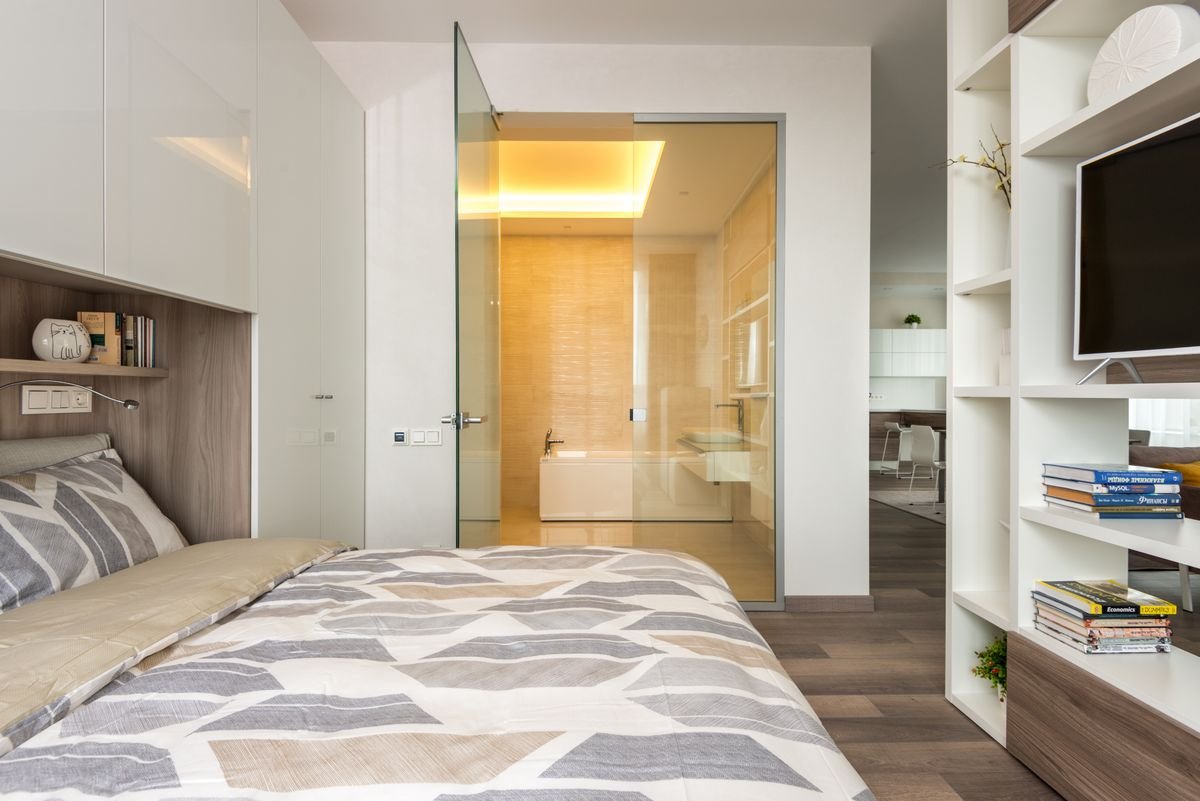
Best Mattress for Couples: Motion Isolation and Shared Comfort

Affiliate Disclosure: MattressSaleUSA.com may earn a commission on purchases made through links on this page. This does not affect our editorial independence or the prices you pay.

What Couples Need in a Mattress

Sharing a bed with a partner introduces mattress requirements that solo sleepers do not face. Motion transfer, edge support, temperature compatibility, and firmness compromise all become important factors when choosing a mattress for two. Finding a mattress that satisfies both people without either sleeping poorly is entirely achievable — if you know what to look for.

Sales Insight: The most common mattress complaint from couples is motion transfer: feeling every time your partner moves, rolls over, or gets in and out of bed. The right materials can reduce this significantly.

Key Factors for Couples

Motion Isolation

Motion isolation is the top priority for most couples, especially those with different sleep schedules. All-foam mattresses provide the best motion isolation — foam absorbs movement and prevents it from traveling across the bed. Among hybrid mattresses, individually pocketed coils minimize motion transfer significantly better than connected spring systems.

Edge Support

Good edge support maximizes usable sleep surface. When edges compress significantly, both partners tend to migrate toward the center, reducing the effective sleeping area. Hybrid mattresses with reinforced perimeter coils provide the best edge support for couples sharing a standard mattress.

Firmness Options

Unless both partners have identical sleep preferences — uncommon — finding a single firmness that suits both can be challenging. Solutions include: mattresses with a split firmness option (each side different), adjustable air mattresses (Sleep Number), or a mattress with a middle-ground feel that suits both partners adequately.

Temperature Compatibility

If one partner sleeps hot and one sleeps cool, mattress temperature regulation becomes a shared concern. Hybrid mattresses with coil bases provide better airflow than all-foam alternatives, making them more temperature-neutral for couples with different thermal preferences.

Deal Tip: Helix is the only mainstream brand that offers a split comfort mattress — king and California king sizes can have a different Helix model on each side. This is the ideal solution for couples with significantly different firmness preferences.

Top Mattress Recommendations for Couples

Best for Motion Isolation: Nectar Memory Foam

Memory foam’s motion-dampening properties make it the top choice for couples with different sleep schedules. The Nectar Memory Foam absorbs movement comprehensively — you can drop a bowling ball on one side of the bed (a classic demo test) without the other side registering the impact. Queen starting around $999 with a 365-night trial.

Best Hybrid for Couples: Helix Midnight

The Helix Midnight’s medium feel and individually wrapped coils balance motion isolation and responsiveness for most couples. The coil system provides good edge support and airflow, and the medium feel is the most versatile for mixed sleep positions. For couples with very different needs, the Helix Split King allows each side to be a different model.

Best Luxury Option: Saatva Classic

Saatva’s full-size coil-on-coil construction provides excellent edge support, allowing both partners to use the full width of the mattress without feeling like they might roll off. The three firmness options help couples find common ground, and white-glove delivery makes setup easy for a heavy queen or king mattress.

Best for Temperature Compatibility: Purple Hybrid

The GelFlex Grid sleeps cool for warm partners while not sleeping cold for those who prefer warmth. The temperature-neutral quality of the grid makes it a good compromise for couples with different thermal preferences.

Sales Insight: A king-size mattress provides 8 additional inches of width per person compared to a queen — significantly more personal space for couples who value distance during sleep. If budget allows, upgrading from queen to king is often the single most impactful change couples can make.

The Split King Option

For couples with significantly different sleep needs, a split king — two twin XL mattresses placed side by side in a king frame — provides complete independence. Each person chooses their own mattress type and firmness, and adjustable base compatibility means each person can elevate their head or feet independently. The trade-off is a seam in the center, which some couples find disruptive. A split king mattress connector and a shared mattress topper can minimize the gap effect.

Recommended Trial Strategy for Couples

When possible, use the trial period to evaluate the mattress together before the return window closes. Both partners should assess their sleep quality, any pressure point discomfort, and whether motion from the other partner is disturbing sleep. Most trial periods are 100 nights — about three months of shared evaluation time.

Shop Helix — Best for Couples →

How to Spot a Genuine Mattress Sale

Not every advertised mattress sale represents real savings. Many retailers inflate original prices before applying percentage discounts. To protect yourself, track prices before committing. Use Google Shopping to monitor price history on specific models. If a mattress has been on sale for several months straight, that promotional price is effectively the regular price.

Compare the same model across multiple retailers. Major brands like Sealy, Serta, and Beautyrest sell through furniture chains, mattress stores, and brand websites simultaneously. The same model can vary significantly in price between channels. Calculate the total out-the-door cost including delivery, setup, and any required add-ons before comparing deals.

Pay close attention to trial periods during sale events. Some promotional pricing shortens the return window or introduces restocking fees not present on full-price purchases. A genuinely good sale reduces the price without reducing your consumer protections. Ask whether the standard return policy applies to the discounted price, and get the answer in writing.

Finally, be skeptical of artificial urgency. Legitimate clearance pricing does not require a same-day decision. If a salesperson insists a price expires tonight, treat that pressure tactic as a signal to slow down. Walk out, research the model independently, and return the next day if the value is genuinely there.

Best Times of Year to Shop Mattress Sales

Mattress prices follow predictable seasonal patterns. Presidents Day in February consistently produces some of the deepest discounts of the year. Retailers use this long weekend to clear inventory ahead of spring model refreshes, and discounts of 30 to 50 percent on quality innerspring and hybrid mattresses are common during this window.

Memorial Day and Labor Day bookend summer with major sale events. These holidays mark when manufacturers introduce new model lines, motivating retailers to mark down prior-year stock significantly. If you are flexible on having the very latest version, these events offer excellent value on high-quality mattresses at meaningful discounts without compromising on sleep quality.

Black Friday and Cyber Monday have become the most competitive mattress sale period of the year. Online brands offer deep sitewide discounts, free accessories like pillows and mattress protectors, and extended trial periods. The deals are real for shoppers who have done their research in advance and know exactly what model and firmness level they are looking for.

If you cannot wait for a major sale, the last few days of any calendar month are a reliable time to negotiate in-store. Mattress salespeople frequently work on monthly commission quotas. Visiting on the 29th or 30th, when a salesperson needs to close numbers before the month ends, often produces unadvertised discounts that are unavailable at any other point during the month.

Online vs. In-Store Mattress Shopping

The rise of direct-to-consumer brands has changed mattress shopping fundamentally. Online retailers typically offer lower base prices by eliminating showroom overhead, sales commissions, and distribution markups. A mattress retailing for $1,400 in a furniture store may sell for $900 on the brand website with equivalent construction quality and the same core materials.

The tradeoff is the inability to test before buying. Online brands compensate with generous trial periods typically ranging from 100 to 365 nights, with free returns or donations to charity if the mattress does not suit you. This risk-reversal model means the in-home trial replaces the showroom experience with a far more realistic test under your actual sleep conditions.

In-store shopping offers tactile evaluation that online descriptions cannot replicate. You can compare multiple models in a single visit, feel the difference between foam densities and coil systems, and get guidance from staff who know the full inventory. For sleepers with specific back conditions or unusual comfort preferences, this hands-on comparison provides valuable information before committing.

The hybrid approach works best for most shoppers: visit a showroom to identify your preferred firmness level, then research equivalent models from online brands at lower price points. Financing availability also differs between channels. Physical stores frequently use deferred-interest promotions through store credit cards, while online brands partner with installment lenders like Affirm for true zero-interest payment plans that do not back-charge interest if the balance carries over.

Understanding Mattress Warranties

A mattress warranty is only as valuable as its specific coverage terms. Most warranties cover manufacturing defects: visible sagging beyond a threshold depth, coil breaks, fabric splitting, or foam deterioration under normal use. What they do not cover is equally important — stains, comfort preference changes, normal softening over time, or sagging that falls below the warranty threshold even if you find the mattress uncomfortable.

The sagging threshold is the single most critical number in any warranty. A mattress sagging 0.9 inches may feel dramatically different from when it was new, but if the warranty only covers sagging of 1 inch or more, you have no recourse. Check this specific measurement in the warranty documentation before purchasing, especially during sales where terms may differ from standard retail pricing.

Non-prorated versus prorated coverage makes a significant difference for long-term value. A 10-year non-prorated warranty provides full replacement at no cost for a decade. A 20-year prorated warranty may require you to pay 50 percent of the replacement cost in year eleven, making it substantially less valuable despite the longer stated term. Always calculate actual coverage rather than simply comparing warranty lengths side by side.

Request the full warranty document before completing any purchase. Legitimate retailers provide written documentation rather than a verbal summary. Understanding the exact terms before buying — what is covered, what voids coverage, and what the claims process involves — saves significant frustration if a problem emerges years after the original purchase date.

Mattress Firmness and Sleep Position Guide

Choosing the right firmness level is one of the most important mattress decisions you will make. Firmness is measured on a 1-to-10 scale, with 1 being extremely soft and 10 being nearly rigid. The vast majority of mattresses sold fall between 3 (soft) and 8 (firm), with medium-firm in the 5 to 6 range representing the most popular option for the widest range of sleepers.

Body weight significantly affects how a mattress actually feels in use. A medium mattress will feel firmer to a 130-pound sleeper than to a 250-pound sleeper because heavier individuals compress the comfort layers more deeply, experiencing more of the support core beneath. Some manufacturers offer mattresses in multiple firmness options for this reason, and split-firmness options exist for couples with differing preferences on each side.

Sleep position matters as much as body weight. Side sleepers typically need softer surfaces that allow the shoulder and hip to sink in for proper spinal alignment. Back sleepers generally do best on medium to medium-firm mattresses that support the lumbar region without forcing an unnatural curve. Stomach sleepers usually need firmer options to prevent the midsection from sinking and creating lower back strain over time.

Combination sleepers who regularly shift positions during the night benefit from medium-firm mattresses that balance pressure relief with responsive support. Latex and pocketed coil systems work better for combination sleepers than dense memory foam, which can feel restrictive during position changes and slow to respond to movement throughout the night.

How Mattress Financing Works

Mattress retailers frequently promote zero-percent financing as a core sales tool. Understanding exactly how these offers work helps you use financing strategically rather than falling into an expensive trap that costs more in the long run than paying full price upfront would have.

Deferred interest is the most common structure at physical stores. Interest accrues normally during the promotional period but is waived if the full balance is paid before the period ends. Miss the deadline by even one day and all accrued interest, often 26 to 30 percent APR, gets added to your balance retroactively. This is fundamentally different from a true zero-percent APR loan where no interest accrues at all.

True zero-percent financing is increasingly available through online brands partnering with services like Affirm or Klarna. In these arrangements, no interest accrues during the term under any circumstances. If a balance remains after the promotional period ends, standard rates apply going forward, but you will never be back-charged interest for the promotional period that has already passed.

Your credit score affects both your available options and approval odds. Scores above 700 typically qualify for the most favorable promotional terms. Scores between 580 and 700 may qualify for financing at higher rates. Buy-now-pay-later services with softer qualification requirements offer accessible paths for shoppers with limited or imperfect credit history who still want to spread payments over time.

Mattress Care Tips to Protect Your Investment

A quality mattress can last 8 to 12 years with proper care, or wear out prematurely without it. A few simple maintenance habits maximize the life of your mattress regardless of what you paid or where you purchased it.

Use a mattress protector from day one. A waterproof, breathable protector prevents moisture damage, dust mite accumulation, and staining, any of which can void your warranty or degrade materials significantly over time. This single accessory, typically costing $30 to $80, is the most cost-effective mattress care investment available and should be considered non-negotiable for any quality mattress purchase.

Rotate your mattress every three to six months. Sleeping in the same position every night creates uneven wear patterns that accelerate sagging in high-pressure areas. Rotating 180 degrees distributes wear more evenly and meaningfully extends usable life. Most modern mattresses should not be flipped because one-sided construction with comfort layers only on the top means flipping puts you on the firm support core.

Ensure your foundation or bed frame provides adequate support. A sagging or broken foundation accelerates mattress wear and may void warranty coverage. Platform bed slats should be no more than three inches apart for foam mattresses to prevent unsupported areas from breaking down prematurely. Box springs paired with newer foam or hybrid mattresses often provide insufficient support and should be evaluated before use to avoid accelerating wear on the comfort layers above.

About the Author